
How long will my dog live? What will be their quality of life as they age?
The care we give them now decides the future...

How We Care For Our Dogs

Feeding your dog a natural diet of raw meat, fruits, veggies, and supplements is one of the healthiest options. It preserves their teeth, supports their immune system, and promotes overall health.
Scroll through the slideshow to your left to see some suggested brands of prepackaged raw and fresh foods.
You have a lot of options when it comes to what to feed, and different dogs have different needs.
Prepackaged foods are a great choice, but some people prefer to feed a homemade raw diet.
Below are some guidelines to keep in mind if you choose to go this route.
Run your chosen recipe by your vet if you're in any doubt about nutritional completeness!
Homemade dog food
80% meat (examples are turkey, lamb, salmon, duck, beef, venison) Pre-ground raw
meat from your local discount food center is a good, cost-effective option. You can also just give chunks of meat to your dog, but it may be a messier process.
10% organ meat (heart, liver, kidney, spleen, lung, tripe, brain, etc) This is harder to find. Asian groceries or local butchers sometimes carry it, or you can order online in various forms.
10% bone and skin. This can either be preground into the meat (some pet stores carry meat and bone meal frozen), or you can just get fresh raw meaty bones and give them to your dog to eat. Butcher shops sell them, or just cut them out of your own food before you cook. As for skin you can buy meat with the skin still on, or buy dried duck or chicken feet for them to chew on.
Some helpful supplements include raw organic egg, turmeric, probiotics (you can purchase canine probiotics at petsmart or on amazon), cilantro, parsley, extra virgin olive oil & coconut oil or animal fats like beef drippings/tallow, black pepper, diatomaceous earth, garlic, red raspberry leaf tea (supports hormonal health in unspayed girls), and bone broth.
Pulped veggies such as spinach, kale, carrots, dandelion greens, bell pepper. You can buy them prediced and frozen if it is easier. Not too much!
Dogs aren't as much obligate carnivores as cats, but they don't need nearly as many veggies as us omnivores.
A few blueberries, cranberries, raspberries, blackberries, or other fruit.
Same as our meals, most dog food contains some carbs. You can add with some plain rice to bulk it out and make it more filling. Avoid potatoes, peas, beans, peanuts, and other legumes, as these can contribute to heart disease and other illnesses.
There is room for variation in this. As with humans it is beneficial to eat a variety of things. It may be more convenient to mix up and freeze a large batch of this and defrost in small quantities.
Be careful giving skin, or even meat in general from store-bought rotisserie chickens or other preseasoned meat intended for humans, as these can contain liquid smoke or other seasonings that are safe for you and me, but not for our pets. Humans can process a lot of foods locked off from most other animals!
Look at the ingredients on the packaging, and double-check any you're not sure of online or with your vet for pet safety.
This goes for treats too!
Xylitol, an artificial sweetener, can be deadly to pets.
If you want to feed kibble, suggestions are given in the slideshow on the right. These are, to our knowledge at the time of writing, free of corn, wheat, soy, by-products, BHT preservatives, and dyes.
Do your own research, and make sure you're confident in whatever you choose.
Companies sometimes change their recipe without notice, so it can be a good idea to double-check your food if you notice any changes in your pet, even if it's served you well in the past.
We recommend avoiding foods that are chicken based because some dogs are sensitive to chicken, and it can cause allergic reactions such as watery eyes, itchy skin, etc

Young puppies need frequent meals of unlimited quantity.
They should have all they want in a meal 4x a day until 12 weeks, then 2x a day until 6 months.
Adult dogs over 5 lbs can be fed 1-2 times a day. Under 5 lbs should be fed small meals multiple times a day depending on their needs.
Use the same guidelines that are used for buying dog food when buying treats. Avoid corn, wheat, soy, peas, sugar, dyes, and artificial ingredients.
We also recommend giving your dog purified water or well-water. City water supplies often include heavy metals or other contaminates.
Lets Talk About Weight
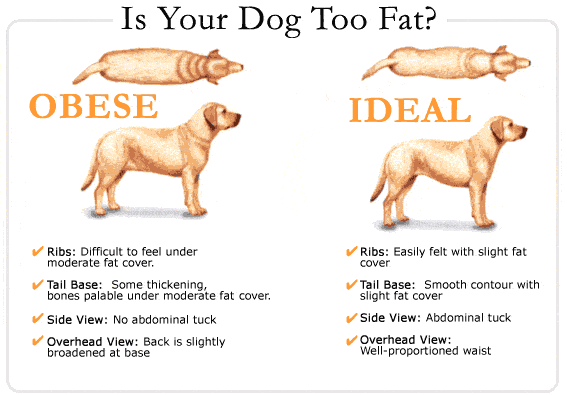
Being overweight can lead to a variety of health issues for pets.
What is a correct weight for your pet?
If an adult dog is at a proper weight, you should be able to feel its ribs easily through a moderate layer of fat, and the dog should have a defined waist.
Make sure they get plenty of exercise!
It is important not to use harsh pet shampoos that are offered
at many pet stores.
"Flea Shampoos" are unnecessary. Lather your dog with any pet-safe shampoo or soap you please, and leave on for about fifteen minutes or more. This will drown the fleas.
Castile soap is a safe, gentle option.
Natural flea and tick repellents using natural ingredients are also widely available.
Be cautious about using common household air fresheners and cleaners. Do your research and make sure the product is pet-safe before bringing it into your home.
Vitamin D is essential to your pet's health, particularly Vitamin D specifically from sunlight, so make sure your dog gets outside for plenty of sunshine and exercise!
Dental health is critical for long term health.
Dental problems can eventually lead to heart damage and even brain seizures, so dental care is essential to good health.
Giving real bones and tendons to your dog can be a big help with this!
These are readily available at pet supply stores and your local grocery store.
They can help keep your dog's teeth clean and provide much needed oral stimulation. Raw bones, dried poultry feet, bully sticks, and cow hooves are all good options.
Genetic health is important too. I test my Cavaliers for [INSERT NECESSARY GENETIC TESTING HERE], and have their hearts and knees examined by a veterinarian to confirm soundness.


Healthy Ear

Yeasty Ear
Ear health
Cavaliers, like many Spaniel breeds, have very large, low-set ears, and are therefore prone to yeast growth.
This is because there is limited airflow into the ear itself, which means that if any moisture gets trapped inside, it can not evaporate, which creates the ideal dark, damp, warm environment for yeast to grow.
Other factors can also play a role, such as nutrition or general health.
You can tell if your dog has yeasty ears by flipping back the ear and looking inside and/or smelling them. The inside of the ear will be dark, rather than the normal pale color, it will be greasier than usual, and it will emit a strong, sweet-smelling odor.
However, don't worry. It's largely preventable, and easy to treat.
Treatment includes very weak, gentle antibiotics to kill the yeast bacteria.
Oregano oil is a proven, safe, gentle, natural option for this purpose. I have had good success feeding it orally in capsule form, hidden in wet food.
Should be administered daily until the problem resolves, and the ears are once more pale and odorless.
A Word On Vaccinations
Most pet dogs in the US are heavily overvaccinated. We follow a very limited vaccine protocol with our dogs. Small dogs suffer higher rates of vaccine related injury and death if the vet does not adjust the dose by weight since most vets give a chihuahua and great Dane the same dose. Vaccines contain many harmful heavy metals and toxins. Long term affects of vaccines are often seen in the form of behavioral issues as well as physical maladies.

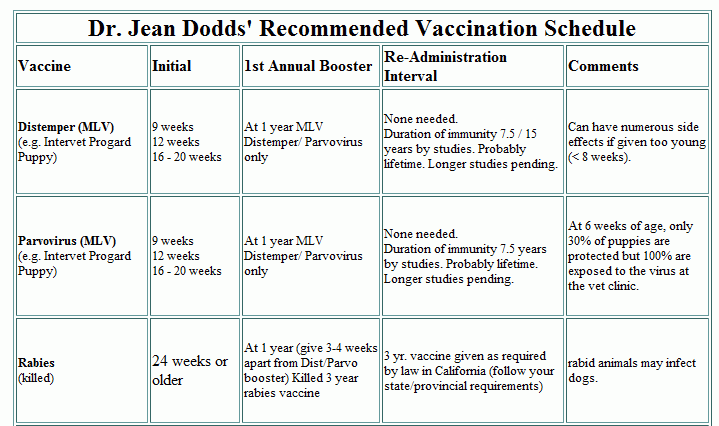
* Image Credit to Dr John Robb
* Image Credit to Dr. Jean Dodds
* Dosages are linear by weight
"The French Study" and other Research
Detoxing After Vaccination
Vaccinations destroy gut health. The health of the gut impacts brain and immune system function. It is critically important to detox after vaccination to help remove toxins and rebuild gut health. There are several ways to help your dog detox from vaccines – they’ll help rid his body of unwanted chemicals and side effects, but they won’t interfere with the vaccines themselves. You’ll want to try these as soon as your dog is vaccinated (don’t wait for symptoms to appear, start the detox right away).
Vaccines can disrupt the delicate balance of bacteria in the gut – this community of bacteria helps your dog manufacture and absorb vitamins and it’s the core of your dog’s immune system. You never want to damage this delicate community! Adding probiotics (plus their food, prebiotics) will help restore the delicate balance of bacteria in the gut. You can buy a pre-made prebiotic/probiotic blend or you can give your dog some kefir, sauerkraut or kimchi – any fermented food is a great source of healthy probiotics.
Give probiotics twice a day (look for at least 10 billion CFU and avoid dairy-based probiotics) Garlic is perfectly safe for your dog in the right amounts. Garlic contains sulphur, which helps the liver detoxify from heavy metals. Dark leafy greens like kale, parsley and cilantro can help reduce the buildup
of heavy metals like mercury in the body. Give a half clove garlic per 10 pounds and add dark leafy greens to the meals daily. Also give a combination turmeric, black pepper, and olive oil added to their food
The products suggested here are ones that are recommended on other sources and appear to have good ingredients. We do not endorse or have financial interest in these products.
When in doubt, consult a veterinarian you trust
Questions? Feel free to Call, Text, or Email us anytime!
Contact information can be found in the page footer, or on the Contact page
We are located in Monetta South Carolina